
Food Storage Hacks Using Everyday Tech: Practical Tips for Keeping Your Food Fresh
Food storage can often feel like a daunting task, leading to wasted ingredients and spoiled meals. Utilizing everyday technology can transform food storage strategies, making them not only simpler but also more effective. From smart containers that track freshness to apps that help organize the pantry, technology offers innovative solutions that maximize shelf life and minimize waste.
In today’s fast-paced world, many people overlook the potential of digital tools in maintaining a well-stocked kitchen. Simple gadgets, like vacuum sealers, can protect food from freezer burn, while temperature sensors can ensure optimal storage conditions. Embracing these technologies can empower individuals to take control of their food environments, enhance meal planning, and promote healthier eating habits.
Exploring these food storage hacks reveals a multitude of creative uses for common tech products already found in homes. By implementing these tactics, anyone can streamline their food preservation process, reduce waste, and ultimately enjoy fresher food.
Essential Food Storage Hacks Using Everyday Tech
Using technology in the kitchen can optimize food storage and maximize food freshness. These hacks transform ordinary kitchen tools into effective storage solutions, ensuring that meals last longer and are well-organized.
Smart Ways to Use Food Containers
Food containers are critical in maintaining food quality. They come in various materials, including glass, plastic, and silicone, each serving a unique purpose.
- Labeling: Utilizing label makers can help identify contents and dates, preventing spoilage.
- Vacuum Sealing: This method removes air from bags before sealing, significantly extending shelf life for items like meats and vegetables.
- Mason Jars: These versatile jars work great for storing dry goods. They keep out moisture and pests while allowing visibility of contents.
Containers can also be stacked or nested to save space, making kitchen organization simpler.
Extending Freshness with Kitchen Gadgets
Several kitchen gadgets can prolong the freshness of various foods.
- Food Savers: The use of appliances that vacuum seal foods can reduce oxidation, helping maintain freshness for much longer than traditional storage.
- Humidity Control: Devices like smart crisper drawers adjust humidity levels based on the type of produce stored, ensuring vegetables and fruits stay crisp.
- Smart Thermometers: These can monitor fridge or freezer temperatures and alert users if the temperature fluctuates, preventing spoilage due to improper conditions.
Investing in these gadgets pays off by minimizing food waste significantly.
Incorporating Portion Control into Storage
Portion control can be easily integrated with food storage practices.
- Pre-measured Containers: Using containers designed for specific servings can help reduce overeating and ensure balanced nutrition.
- Dividers: Some containers come with adjustable dividers, allowing for the separation of various foods in one container without mixing flavors.
- Portioning Tools: Devices like food scoops or portioning scales assist in accurately measuring food quantities before storage.
Implementing portion control strategies helps maintain portion sizes, promoting healthier eating habits without sacrificing convenience.
Optimizing Kitchen Organization with Modern Tools
Effective kitchen organization significantly enhances food storage and reduces waste. Utilizing modern technology, individuals can maximize space and efficiency, ensuring that meals remain fresh longer while being easy to access.
Maximizing Refrigerator Space
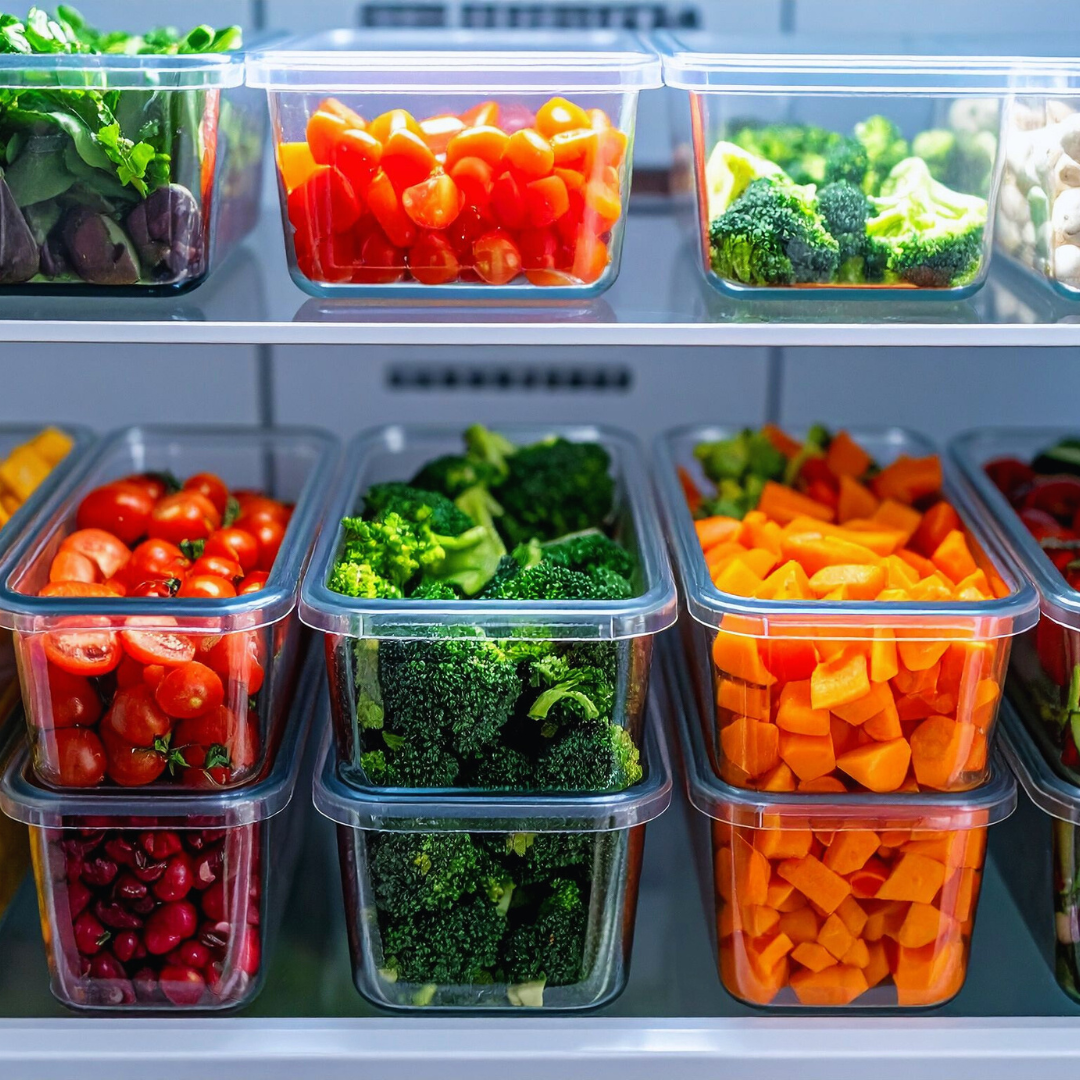
To fully utilize refrigerator space, adjustable shelving is essential. Most modern refrigerators allow for shelf height adjustments, making it easier to store taller items like bottles or containers. Using clear food containers can also help maintain visibility of ingredients.
Tips:
- Consider using stackable containers to create layers.
- Use refrigerator bins for specific categories, such as snacks or produce.
- Place older items at the front to encourage use before expiration.
By rearranging items based on frequency of use, they can streamline meal prep and keep food fresher.
Efficient Freezer Storage Solutions
Organizing the freezer can greatly extend the lifespan of stored foods. Utilizing labeled bins and vacuum-sealing bags helps prevent freezer burn. Designating zones for different food types can simplify finding items quickly.
Options Include:
- Clear bins: For visibility of contents.
- Labels: To easily track expiration dates.
- Bulk storage: Arrange similar items in larger bags.
Implementing these strategies allows for a systematic approach to freezing, ensuring that meals can be prepared with ease while reducing food waste.
Countertop and Pantry Tech Innovations
Countertop and pantry organization can also benefit from modern tools. Smart kitchen gadgets like digital scales aid in measuring food for precise storage. Automated pantry inventory systems help track stock levels, optimizing grocery shopping habits.
Consider These Innovations:
- Smart jars: With built-in sensors that track contents and notify when supplies run low.
- LED food storage containers: To extend freshness by controlling humidity and temperature.
- Digital timers: For tracking food freshness and use-by dates.
Adopting these innovations can significantly enhance kitchen efficiency and food management, creating a streamlined cooking environment.
Leveraging Everyday Technology for Specialized Food Preservation
Utilizing common technology can optimize food storage and improve preservation methods. These strategies enhance freshness and facilitate efficient meal planning.
Storing Produce for Maximum Freshness
Smart storage techniques can significantly extend the life of fruits and vegetables. Using breathable produce bags allows for ventilation, reducing moisture buildup and slowing decay. For leafy greens, it’s effective to store them in a container lined with paper towels to absorb excess moisture.
Temperature and humidity control are crucial. Many modern refrigerators have crisper drawers with adjustable settings optimized for different produce types. For example, fruits generally thrive in lower humidity, while vegetables do better in higher humidity.
Using a produce-specific app can assist in tracking freshness dates, allowing users to consume items before spoilage.
Organizing Leftovers and Batch Cooking
Effective organization is essential in managing leftovers and batch-cooked meals. Transparent containers are recommended, providing easy visibility of contents. Labeling containers with dates and meal names helps in quick selection.
Portion control plays a significant role in reducing waste. Individual meal portions can be frozen for later use, maintaining flavor and texture. This also aids in avoiding the temptation to overeat.
Using freezer-safe bags, foods can be flattened for efficient storage. Vacuum sealers are another tech-enabled option that removes air and greatly extends food shelf life, preventing freezer burn.
Innovative Approaches to Meal Prep
Meal prep technology can enhance efficiency and minimize labor in cooking. Instant pots and slow cookers simplify preparation, allowing multiple meals to cook simultaneously.
Apps designed for meal planning can streamline shopping lists and suggest recipes based on available ingredients. This ensures efficient use of food and reduces trips to the store.
Digital food thermometers can ensure safe cooking temperatures, aligning with food safety standards. Using these tools effectively maximizes meal quality while minimizing food waste, allowing for smarter cooking routines.


You May Also Like
How to Prevent Common Health Problems in Pets

Becoming an Online Blogger: What to Know